
The secrets of brushing and flossing your teeth effectively

Maintaining a healthy smile isn’t just about looks—it’s about overall health. Brushing and flossing your teeth properly can prevent cavities, gum disease, and even issues like heart disease. But many people unknowingly use the wrong techniques, missing out on the full benefits of daily oral hygiene.
Let’s uncover the secrets to brushing and flossing effectively, so you can keep your teeth cleaner, your breath fresher, and your dentist happier.
The Right Way To Brush Your Teeth
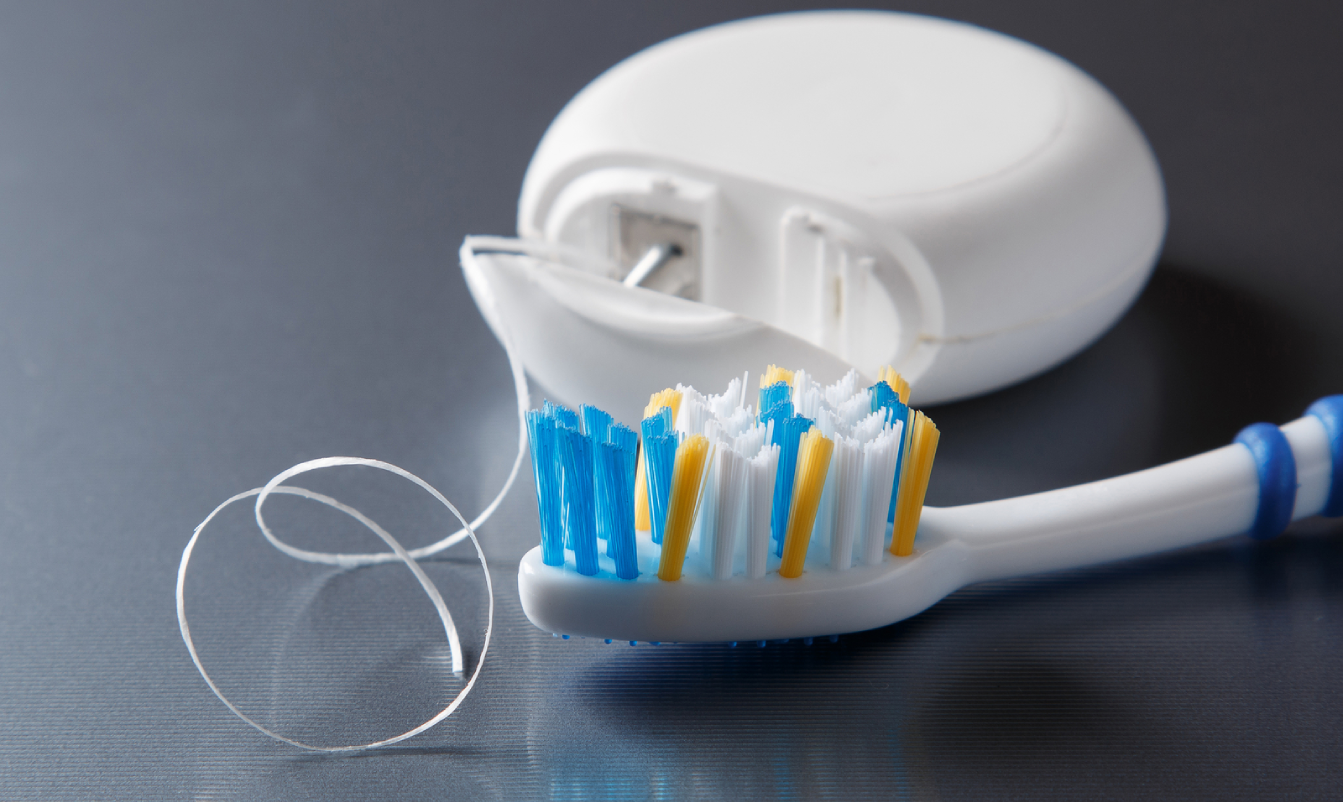
Most people know they should brush twice a day, but doing it correctly makes all the difference. Brushing isn’t just about scrubbing—technique matters.
✅ Key Brushing Techniques
| Factor | Best Practice |
|---|---|
| Frequency | At least twice a day, ideally after meals |
| Duration | Brush for 2 minutes per session |
| Toothbrush Type | Use a soft-bristled toothbrush (manual or electric) |
| Toothpaste | Use fluoride toothpaste for cavity protection |
| Angle of Brush | Hold at a 45° angle to the gumline |
| Motion | Use gentle, circular strokes, not aggressive scrubbing |
| Reach | Don’t forget the back molars, tongue, and roof of the mouth |
| Toothbrush Hygiene | Replace your toothbrush every 3 months or after illness |
🧵 The Often-Ignored Importance of Flossing
Flossing isn’t optional—it removes plaque and food particles that brushing can’t reach. Yet many people skip it or don’t do it properly.
✅ Key Flossing Techniques
| Factor | Best Practice |
|---|---|
| Frequency | Floss at least once per day |
| Floss Type | Use waxed floss, floss picks, or water flossers as preferred |
| Technique | Use a gentle sawing motion to avoid damaging gums |
| Shape | Form a C-shape around each tooth to clean under the gumline |
| Coverage | Floss both sides of every tooth, not just in and out |
| Length of Floss | Use 18 inches, wrapping most around your fingers for control |
| Clean Section | Use a fresh section of floss for each tooth to avoid redistributing plaque |
🧠 Pro Tips to Supercharge Your Oral Hygiene Routine
-
Brush after flossing: This lets the fluoride reach between your teeth more effectively.
-
Use a timer or electric brush with a built-in timer to ensure you brush for the full 2 minutes.
-
Rinse with an alcohol-free mouthwash to reduce bacteria without drying out your mouth.
-
Don’t brush too hard—this can wear down enamel and damage gums.
-
Stay consistent, even when you’re tired or busy—oral health is long-term.
🩺 When to See a Dentist
Even with perfect technique, you still need professional care. Visit your dentist every 6 months for cleanings and check-ups, or sooner if you notice:
-
Bleeding or swollen gums
-
Tooth sensitivity or pain
-
Persistent bad breath
-
Loose teeth or receding gums
👏 Final Thoughts
Brushing and flossing aren’t just chores—they’re your first line of defense against oral health problems. By applying these proven techniques and habits, you’ll not only keep your smile bright but protect your whole-body health as well.
Start today—your future self (and your teeth) will thank you.
📞 Call us today at 604-877-8584
📧 Or schedule a consultation online at https://deerwaterdental.com/book-appointment
Benefits of Routine Cleaning?
Routine dental cleanings are one of the most important steps you can take to maintain a healthy smile. In this post, we explain what happens during a typical cleaning appointment, why it’s recommended every six months, and how it helps prevent cavities, gum disease, and other oral health issues. Whether you’re nervous about your visit or just curious about the process, this guide will give you a clear understanding of what to expect—and why regular cleanings are essential for long-term dental health.
Join us on this flavorful journey towards optimal oral health! Your future self (and teeth) will thank you for it. 😁✨