
Daily dental tips to cut down on plaque

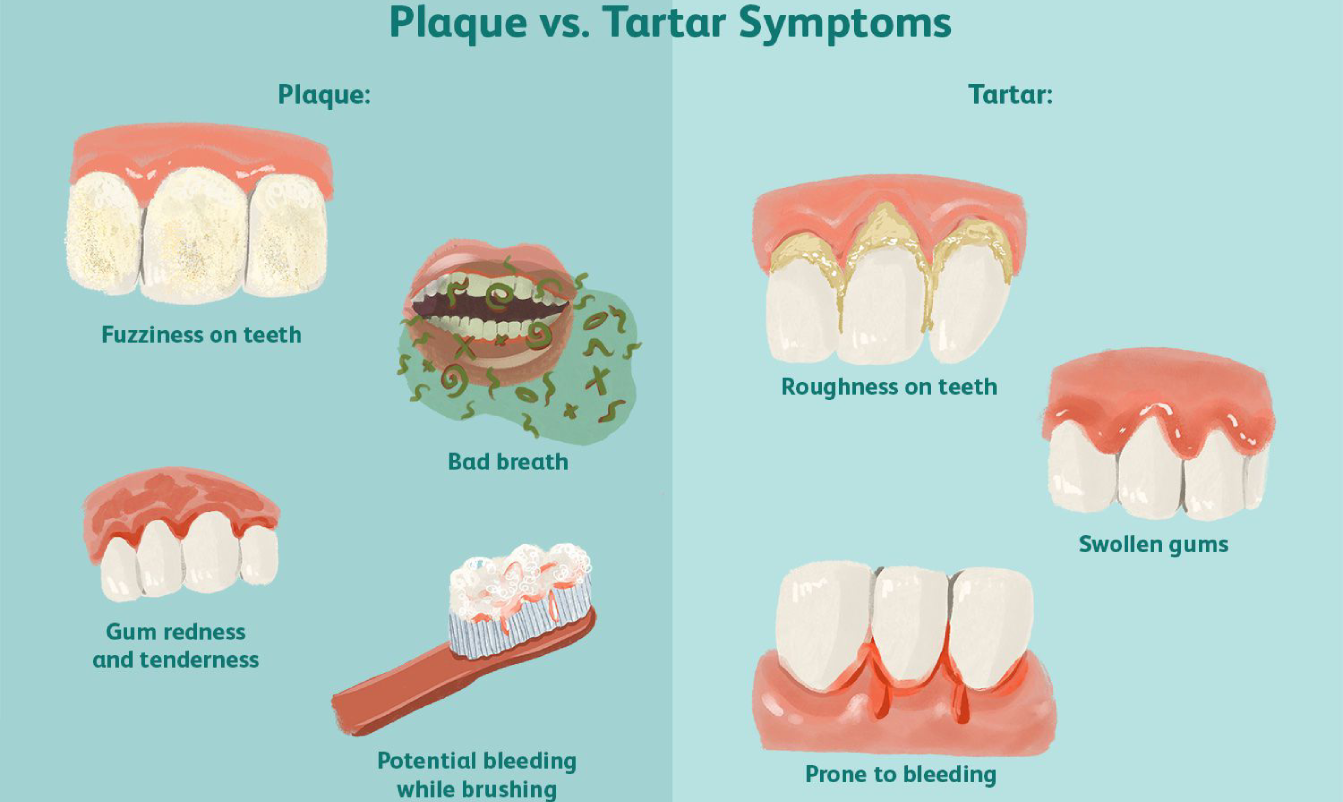
Plaque is a sticky film of bacteria that continuously forms on our teeth. If left unchecked, it can contribute to cavities, gum disease, and tartar buildup. The good news? With a few simple habits built into your daily routine, you can dramatically reduce plaque and protect your oral health.
Here are some actionable tips:
Tip 1: Brush Twice a Day with Proper Technique
Brushing your teeth twice daily (morning and night) is foundational to disrupting plaque formation. But just brushing isn’t enough — how you brush matters:
-
Use a soft-bristled toothbrush (manual or electric) angled at ~45° toward the gumline.
-
Use small, gentle circular or back‑and‑forth motions, letting the bristles reach into the crevices.
-
Spend at least 2 minutes brushing, covering all surfaces (outer, inner, and chewing).
-
Don’t apply too much pressure — aggressive brushing can damage enamel or irritate gums.
-
Replace your toothbrush (or brush head) every 3–4 months or sooner if bristles are frayed.
By brushing thoroughly and consistently, you remove the biofilm that bacteria produce before it has a chance to mature.
Tip 2: Floss or Use Interdental Cleaners Daily
Your toothbrush can’t reach the tight spaces between teeth or just under the gumline — where plaque often hides and accumulates. That’s why flossing once a day (or using interdental brushes, picks, or a water flosser) is essential:
-
Use about 18 inches of floss and wrap ends around your fingers. Gently slide between two teeth and form a “C” shape around one tooth, then glide up/down.
-
Don’t snap the floss — use a controlled motion so as not to injure gums.
-
Repeat between every pair of teeth, including behind the back teeth.
-
Interdental brushes are especially helpful if teeth are widely spaced or have bridges/implants.
This habit helps disrupt plaque in areas your brush can’t reach and prevents buildup between teeth.
Tip 3: Use a Mouthwash or Antimicrobial Rinse
Using a mouthwash (in addition to brushing and flossing) gives you an extra line of defense. Choose a rinse that:
-
Has antimicrobial or antibacterial properties (to reduce the number of harmful bacteria).
-
Contains fluoride (to help strengthen enamel).
-
Is alcohol-free (for gentler action, especially if gums are sensitive).
Rinse for about 30 seconds after your brushing/flossing ritual. While mouthwash doesn’t replace brushing and flossing, it helps reduce bacterial load and reach areas you might miss.
Tip 4: Rinse or Swish with Water After Meals or Snacks
If you can’t brush immediately after eating, a quick rinse with plain water is a simple and effective trick:
-
Swish water around your mouth to dislodge food particles and dilute sugars.
-
Especially helpful after sugary, sticky, or acidic foods that feed plaque-forming bacteria.
-
Drinking water throughout the day also helps — it keeps saliva flowing (which naturally helps neutralize acids).
This can help slow plaque buildup until your next brushing session.
Tip 5: Be Mindful of Your Diet & Sugar Intake
Diet plays a strong role in plaque formation because bacteria feed on sugars and starches:
-
Limit frequent snacking on sugary or starchy foods (candies, sodas, chips).
-
When you do indulge, try to consume them in one sitting rather than spread-out snacking.
-
Choose foods that are low in added sugar and more tooth-friendly (e.g. crunchy vegetables, cheese, nuts — the act of chewing helps clean).
-
Use sugar substitutes (xylitol, for example) where appropriate (in consultation with your dentist).
By reducing the “fuel” that plaque bacteria consume, you make their job harder and slow down plaque accumulation.
Tip 6: Quit Tobacco & Limit Staining Substances
Tobacco (smoking, chewing) and certain habitual drinks (e.g. coffee, tea, red wine) can encourage plaque and stain formation:
-
Smoking alters saliva, reduces blood flow to gums, and makes plaque removal harder.
-
Cutting back on or rinsing after consuming staining beverages helps reduce sticky deposits.
Encouraging patients to reduce or quit these habits can help maintain healthier teeth and gums.
Tip 7: Keep a Consistent Dental Check-Up & Cleaning Schedule
Even the best home care can’t always reach or remove hardened deposits. Professional cleanings allow your hygienist or dentist to:
-
Remove calculus (tartar) — the hardened plaque that you can’t clean yourself.
-
Spot early signs of decay, gum disease, or issues before they escalate.
-
Provide personalized advice on brushing/flossing technique or product suggestions.
We generally recommend a professional cleaning every 6 months (or more frequently if your oral health demands it).
Let’s build a personalized plan to keep your smile strong and healthy — for life.
Phone: (604) 877-8584
Email: info@deerwaterdental.com
Location: 3135 Cambie Street, Vancouver, B.C. V5Z 4N2
Website: DeerwaterDental.com
Contact us to learn more about your sedation options and how we can help make your next visit easier than ever.
Benefits of Routine Cleaning?
Routine dental cleanings are one of the most important steps you can take to maintain a healthy smile. In this post, we explain what happens during a typical cleaning appointment, why it’s recommended every six months, and how it helps prevent cavities, gum disease, and other oral health issues. Whether you’re nervous about your visit or just curious about the process, this guide will give you a clear understanding of what to expect—and why regular cleanings are essential for long-term dental health.
Join us on this flavorful journey towards optimal oral health! Your future self (and teeth) will thank you for it. 😁✨