

Technology is rapidly changing the face of dentistry

The world of dentistry is evolving at an unprecedented rate, and technology is at the heart of this transformation.
From revolutionary diagnostic tools to innovative treatments, the integration of advanced technology is enhancing patient care, improving precision, and streamlining dental practices. Let’s take a closer look at how technology is rapidly changing the face of dentistry.
Digital Imaging and 3D Scanning
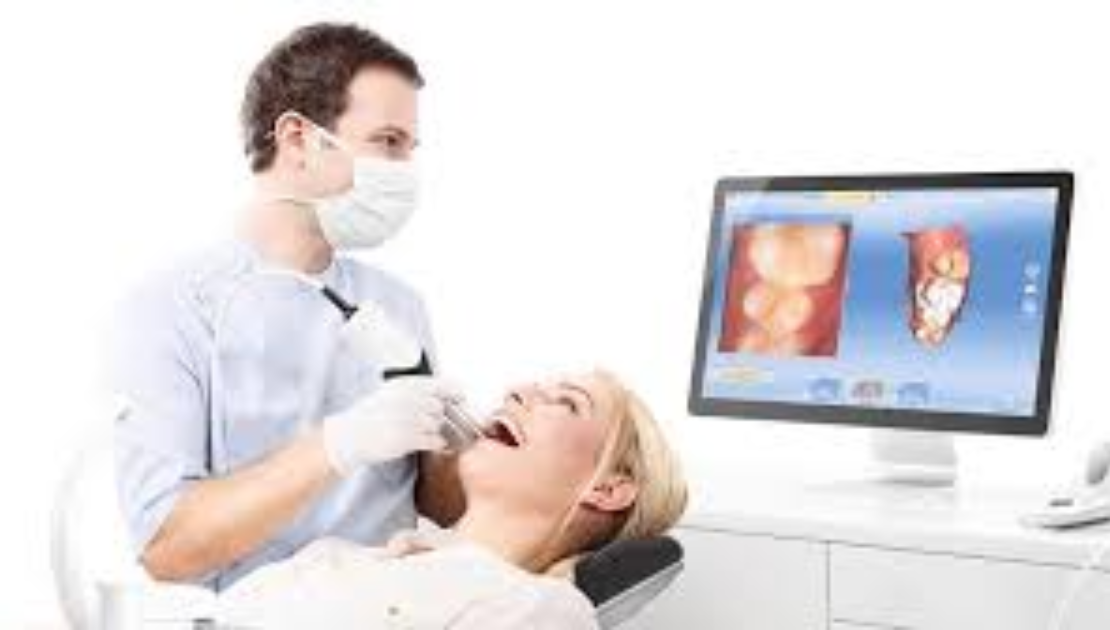
Gone are the days of traditional X-rays and physical molds. Today, digital imaging and 3D scanning technologies have revolutionized how dentists diagnose and treat patients. Digital X-rays provide high-resolution images that are faster and safer than traditional methods, using up to 90% less radiation.
Moreover, 3D scanning allows for highly detailed, accurate impressions of teeth and gums, eliminating the discomfort of traditional molds. These scans are invaluable for creating precise crowns, bridges, and aligners. The ability to visualize the full anatomy of a patient’s mouth in 3D also helps with diagnosis and planning of treatments, allowing for more effective procedures.
Artificial Intelligence and Machine Learning
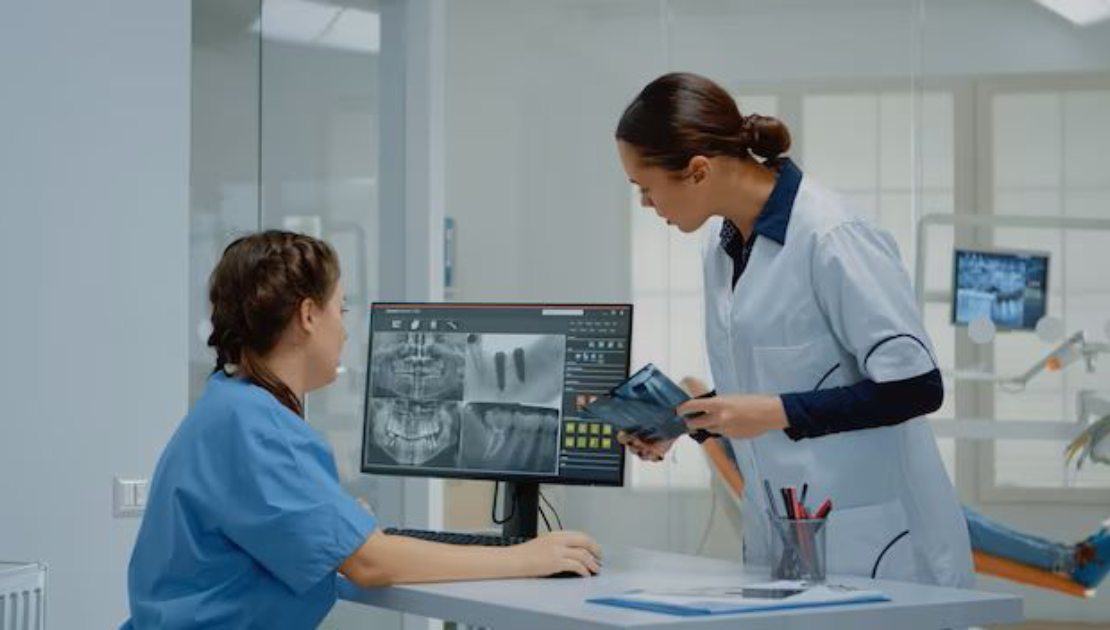
Artificial intelligence (AI) and machine learning are no longer the stuff of science fiction—they are becoming powerful tools in the dental industry. AI is being used to enhance diagnostics, predict potential dental issues, and personalize treatment plans.
For example, AI can analyze X-rays or 3D scans to detect early signs of cavities, gum disease, and even oral cancers. This allows for quicker identification of problems that may have been missed by the human eye, ensuring earlier intervention and better outcomes.
AI-powered systems are also helping to streamline administrative tasks within dental practices, from appointment scheduling to patient communication. This allows dental professionals to spend more time on patient care and less on paperwork.

Teledentistry: The Future of Remote Care
Teledentistry is making dental care more accessible to people who may not be able to visit a dentist in person. Whether through video consultations or online portals, teledentistry allows for remote evaluations and follow-up consultations, making it easier for patients to seek advice, prescriptions, and recommendations from the comfort of their homes.
This technology has been particularly helpful in reaching underserved populations, offering a bridge to quality dental care for individuals in remote areas or with mobility issues.
Laser Dentistry
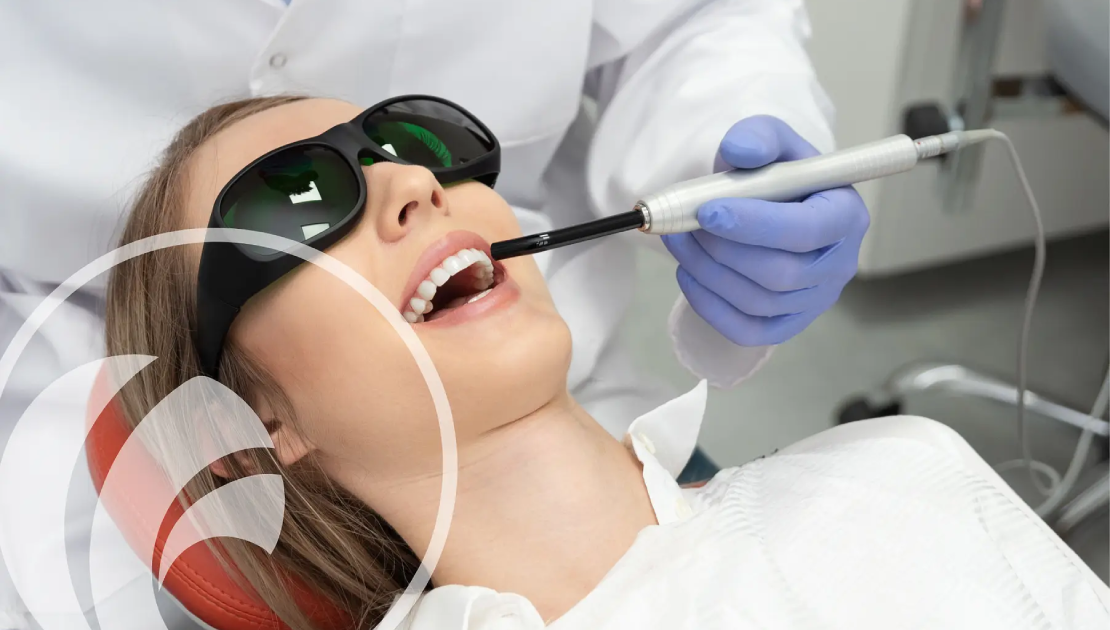
Laser technology is transforming various aspects of dental treatments, from cavity detection to gum surgeries. Laser dentistry provides a less invasive, more comfortable alternative to traditional methods, reducing the need for sutures and anesthesia.
Lasers are used for soft tissue surgeries like gum reshaping, as well as hard tissue applications such as cavity preparation. The precision of lasers also minimizes damage to surrounding tissues, promoting faster healing and reducing discomfort for patients.
3D Printing in Dentistry
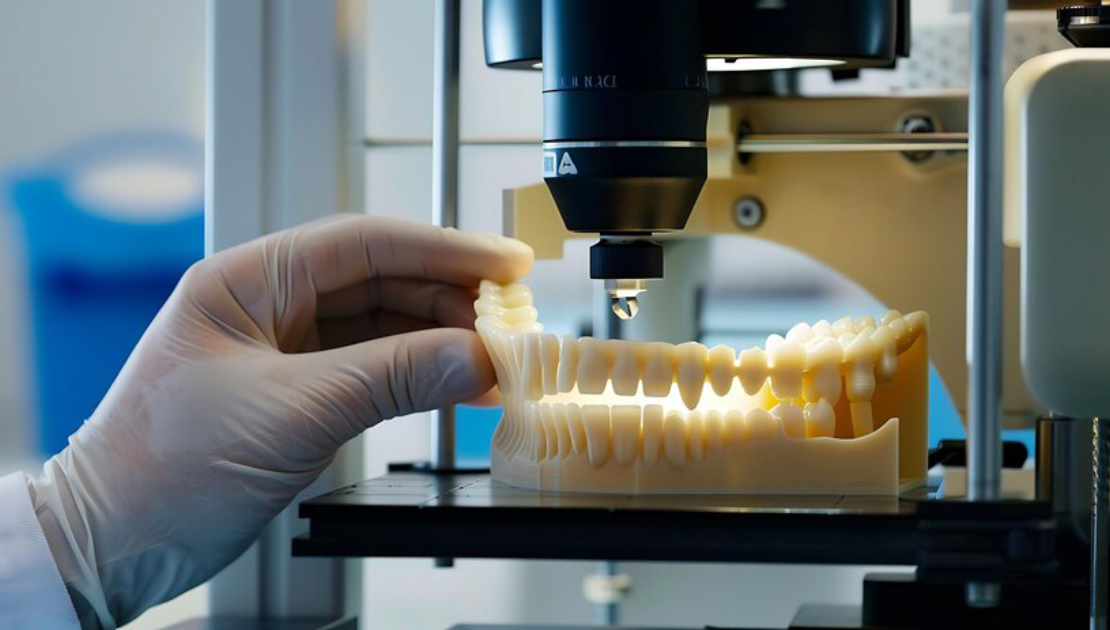
3D printing technology has opened up a new world of possibilities for dental professionals. With 3D printers, dentists can create crowns, bridges, dentures, and even surgical guides with exceptional precision. This has not only reduced the cost of dental procedures but also improved the speed and accuracy with which they are performed.
For patients, 3D printing means less time spent waiting for prosthetics or orthodontic devices. For example, clear aligners can now be designed and printed in-house in a fraction of the time it once took, allowing for faster treatment and adjustments.

Increased Focus on Preventative Care
Thanks to technology, the field of dentistry is placing more emphasis on preventative care. Early detection systems, such as those powered by AI, can identify issues before they become major problems, helping patients avoid costly and invasive treatments down the road.
Additionally, digital platforms enable dentists to keep track of patient health over time, offering reminders for regular checkups, cleanings, and other preventative services. This shift towards proactive dental care is benefiting both patients and dental professionals alike.
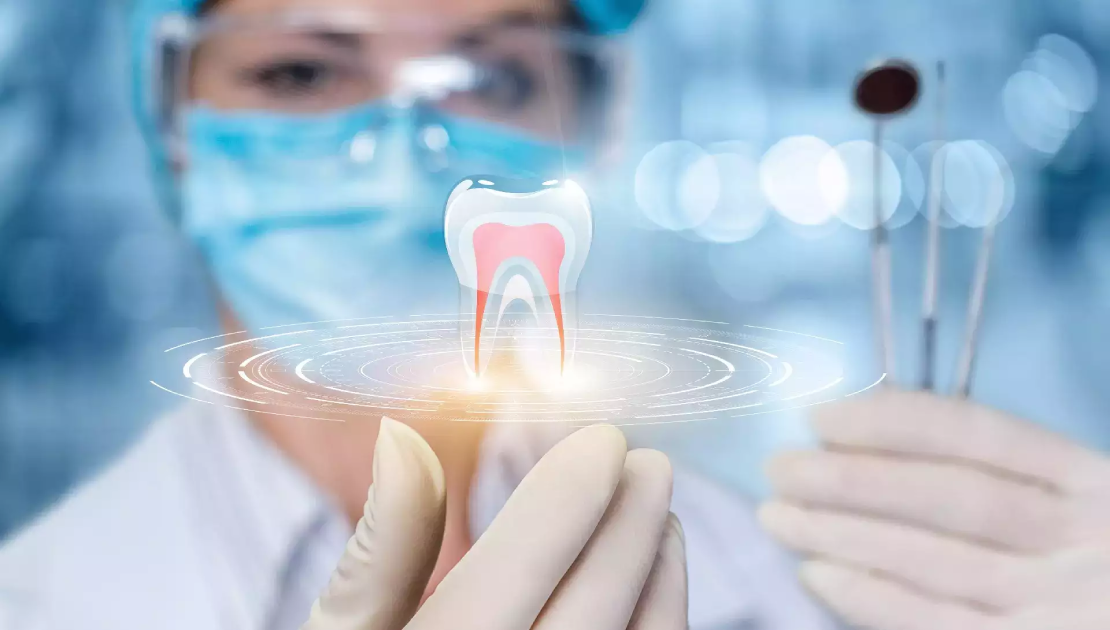
The Future of Dentistry: What’s Next?
As dental technology continues to advance, the possibilities are endless. With innovations like nanotechnology for drug delivery and even AI-assisted dental robots, we are on the cusp of even more dramatic changes in how dental care is delivered.
The key takeaway here is that technology is empowering dentists to provide better care, increase efficiency, and improve the overall patient experience. As these technologies continue to evolve, the future of dentistry looks brighter, more efficient, and more patient-centered than ever before.
At your dental practice, embracing these cutting-edge innovations not only helps streamline processes but also ensures that patients receive the highest level of care. Staying updated on emerging technologies will continue to drive the evolution of dentistry, allowing you to provide treatments that are both innovative and effective.
“Your dental health deserves the best—embrace the future of dentistry today!”