
Brushing for just 2 minutes can reduce plaque by 80%

When it comes to maintaining good oral health, brushing your teeth properly is one of the most effective ways to prevent plaque buildup, gum disease, and cavities.
But did you know that brushing your teeth for just two minutes can reduce plaque by up to 80%? It’s a small change that makes a big difference! In this blog post, we’ll break down the importance of brushing for the full two minutes and provide you with a helpful checklist to make sure you’re brushing effectively.
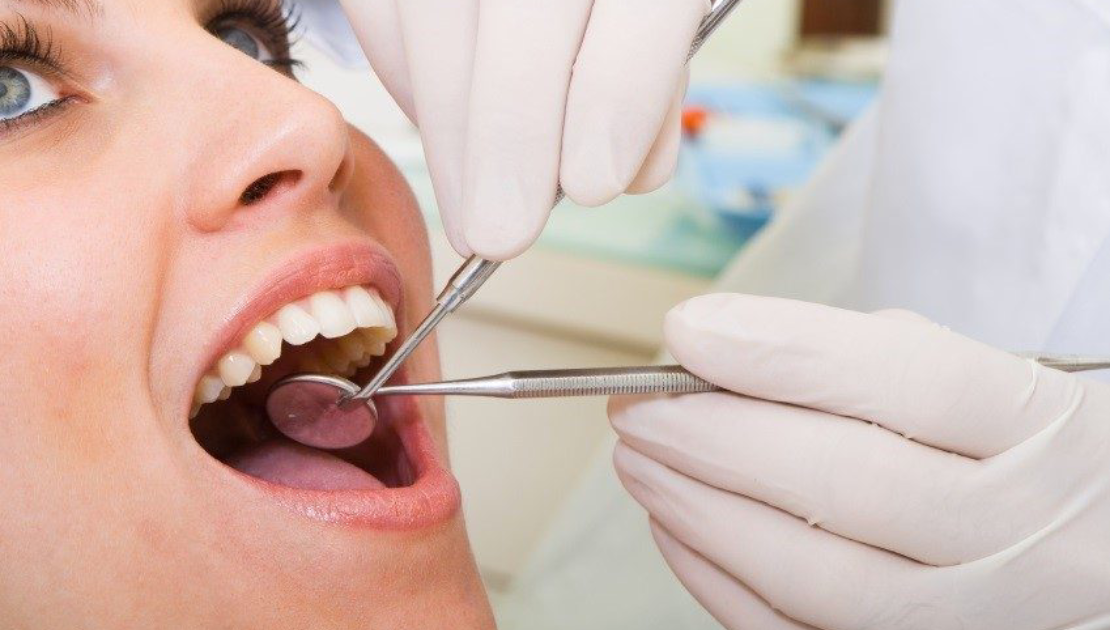
Check-ups make a diffference
Dental check-ups are a crucial part of maintaining overall oral health and well-being. While regular brushing and flossing are essential for daily care, professional dental visits go beyond what home care can achieve. These appointments not only help detect potential dental problems early but also provide guidance for better oral hygiene practices.
Here are a few key reasons why dental check-ups make such a difference:
- Early Detection of Problems
Many dental issues, like cavities, gum disease, and even oral cancer, may not present symptoms in their early stages. Regular dental check-ups help catch these problems early, often before you experience pain or discomfort. Early intervention can prevent more severe damage, reduce the need for extensive treatments, and save you time and money in the long run. - Professional Cleanings
Even with diligent brushing and flossing, plaque and tartar can build up in areas that are difficult to reach. During a dental check-up, your dentist or hygienist will perform a professional cleaning, thoroughly removing plaque and tartar from your teeth. This helps prevent tooth decay and gum disease, ensuring that your smile stays healthy and bright. - Oral Cancer Screening
Dentists routinely check for signs of oral cancer during your check-up. Oral cancer often develops without noticeable symptoms, but a dentist can spot early signs, such as unusual sores or changes in the mouth’s tissue. Early detection of oral cancer can greatly improve the chances of successful treatment. - Personalized Oral Health Advice
During a check-up, your dentist can assess your oral health, habits, and lifestyle and provide personalized recommendations. Whether it’s adjusting your brushing technique, suggesting a better toothpaste, or offering dietary advice, your dentist’s guidance can help you maintain optimal oral health. - Preventative Care
Regular check-ups are a proactive way to prevent problems rather than reacting to them after they arise. For example, your dentist may apply fluoride treatments or sealants to help protect your teeth from decay. They can also discuss ways to reduce the risk of issues like teeth grinding or jaw problems.
In short, dental check-ups are essential for keeping your teeth and gums healthy, identifying potential issues early, and preventing more serious conditions from developing. They are a proactive step in ensuring that your smile lasts a lifetime.
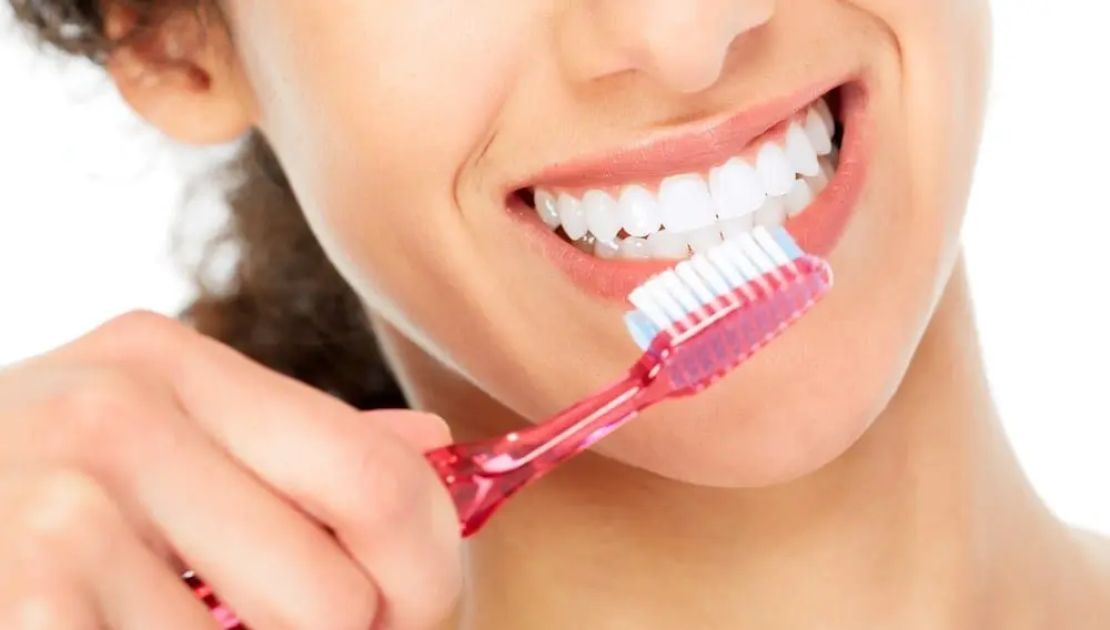
Why 2 Minutes Matters
When you brush your teeth, you’re not just cleaning the visible surface of your teeth—you’re also removing plaque, a sticky film of bacteria that can lead to cavities, gum disease, and even bad breath. Plaque builds up over time, especially when food particles and sugars interact with the bacteria in your mouth. To keep your mouth healthy, brushing for at least two minutes is essential for thoroughly cleaning all surfaces of your teeth and gums.
Research shows that brushing for 120 seconds (two minutes) helps you effectively remove 80% of plaque. While it may seem like a small amount of time, brushing for longer ensures that you’re reaching every tooth, including the back ones that can be easy to neglect.
The Power of Plaque Removal
Plaque is a major contributor to dental issues like cavities, tooth decay, and gum disease. If plaque is not removed through regular brushing and flossing, it can harden into tartar, which can only be removed by a dentist. Brushing for just two minutes daily ensures that you are keeping plaque at bay and lowering your risk for long-term dental problems.
Furthermore, by brushing for a full two minutes, you give your toothpaste time to work, allowing its fluoride to strengthen your enamel and fight off harmful bacteria. It’s not just about brushing for a certain amount of time; it’s about brushing effectively, so you’re maximizing your plaque removal efforts.
How to Brush Effectively in 2 Minutes
To maximize your brushing time, it’s important to know how to do it properly. Here’s a step-by-step guide to brushing effectively in just two minutes:
- Start with the Outer Surfaces (30 seconds)
Begin by brushing the outer surfaces of your teeth. Hold the toothbrush at a 45-degree angle to your gums and use gentle, circular motions. This is the area where plaque tends to build up the most, so spend about 30 seconds on the outside surfaces of your upper and lower teeth. - Move to the Inner Surfaces (30 seconds)
After brushing the outer surfaces, focus on the inner surfaces of your teeth. These are often neglected, but they’re equally important. Use the same gentle, circular motions to clean the backs of your teeth, making sure to reach both the top and bottom rows. - Brush the Chewing Surfaces (20 seconds)
Don’t forget the chewing surfaces of your teeth! The flat tops of your molars are where food particles often get stuck. Use short, back-and-forth strokes to clean these areas for about 20 seconds. - Focus on the Tongue and Roof of Your Mouth (20 seconds)
Plaque isn’t only found on your teeth—it can also build up on your tongue and the roof of your mouth. Gently brush your tongue and the top of your mouth to help freshen your breath and reduce bacteria buildup. Spend about 20 seconds on this step. - Use Proper Technique (20 seconds)
Throughout the entire process, be sure to use a soft-bristled toothbrush and light pressure. Brushing too hard can damage your gums and enamel. Make sure to replace your toothbrush every 3-4 months or sooner if the bristles are worn down.
Tips for Sticking to a Two-Minute Routine
Now that you know how to brush effectively, here are a few tips to help you stick to the full two-minute routine:
- Use a Timer: Many electric toothbrushes come with a built-in timer that helps you brush for the recommended two minutes. If you’re using a manual toothbrush, you can use a phone timer or an app designed to track your brushing time.
- Split the Time: If two minutes feels like a long time, try splitting it up into 30-second intervals for different areas of your mouth. This ensures you’re covering all areas without losing track of time.
- Play a Song: Find a song that’s around two minutes long and play it while you brush. This makes brushing more enjoyable and helps you stay on track.
- Make It a Habit: Set a reminder to brush for the full two minutes, especially if you’re just starting out. Consistency is key when building any habit.
Final Thoughts
“Brushing your teeth for just two minutes may seem like a small commitment, but it can significantly reduce plaque buildup and improve your oral health. By following the simple steps and tips outlined in this blog post, you can ensure you’re brushing effectively and getting the most out of your daily dental routine. So, grab your toothbrush and make those two minutes count! Your teeth (and your dentist) will thank you.
If you haven’t yet, consider investing in a good electric toothbrush, which can make brushing more efficient and even more fun.”