
MOUTH BREATHING & DENTAL HEALTH

It is perfectly natural to breathe through your mouth at certain times, such as when lifting a heavy load or running. Breathing through the mouth most of the time, however, can cause health problems. These problems can be especially severe for children because mouth breathing can affect the long-term development of the face. In this video, it explains the reasons for mouth breathing and why it is important to correct.
Air is something nobody can live without. Most of us bring air into our body through the nose. The nose is designed to act as a natural humidifier and filtering system for the air we breathe. When we can’t get enough air through our nose, however, the mouth takes over. Breathing through the mouth is perfectly natural occasionally. Yet, breathing through the mouth most of the time was not nature’s intent. When this happen, serious problem can occur.
Mouth Breathing and your health
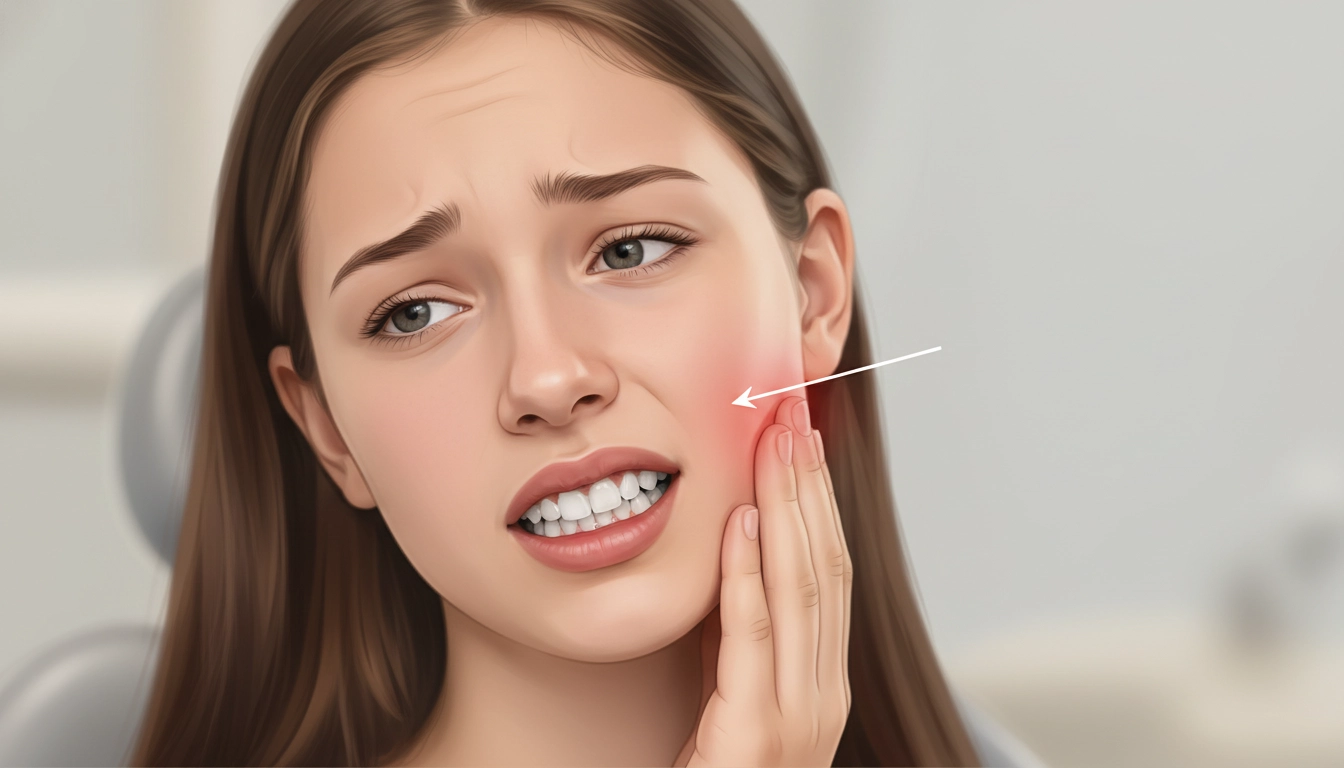
Mouth breathing can affect a number of bodily functions and lead to symptoms such as headaches, dry mouth, sore throat, bad breath, poor sleep, chronic fatigue, ear pressure and fullness. Over time, mouth breathing can also affect: the position of your teeth and your bite, your facial features, and your posture.
Why Breathe Through The Mouth?
The most obvious reason someone would have for breathing through the mouth is when we can’t get enough air through the nose. Common reasons for blocked nasal passage include:
- Allergies, which may cause polyps or swelling
- Enlarged tonsils or adenoids
- Respiratory infections (cold or the flu)
Indications of airway obstruction include:
- Snoring
- Sounding “stuffy” during the day/night
- Frequent sore throats
- Dark circles under the eyes
Using the mouth for breathing disrupts our natural body mechanics. This would be less of a problem for animals.
Since the heads of four legged animals are horizontal to the ground, gravity helps to bring the throat muscles down and keep the airway open. By standing upright, man creates a new need to maintain the airway. We do so through a complex network of cartilage and muscles in the throat. After air passes through our nostrils, it goes into our pharynx. The pharynx is located just behind the nasal cavity and is the passageway for both food and air. The tongue is the large muscle which does much of the work to keep this passage open, in combination with the soft palate which rests upon it. The lower jaw serves as a support for the tongue and related structures just below the neck.
Mouth Breathing Affects the Teeth, Jaw, and Posture
We typically use the jaw and tongue for eating, swallowing and speaking. When used for breathing, we must make postural adjustments. Chronic mouth breathers tend to bring their head forward in front of their shoulders and tilted back to maintain an open airway. Try it yourself, while letting your tongue relax.
Notice that this posture pulls the jaw down and back. It also changes the position of the tongue. The tongue is pulled down so that it no longer produces any force against the upper arch of the teeth. Without this force, the developing upper jaw does not fully grow and the nasal cavity becomes constricted. Since the upper jaw also happens to be the lower part of the nasal cavity, you can see how one affects the other. What started out to be a problem with your nose also becomes a problem with your bite.
Serious Implications for Children
Even worse, when children chronically breathe through their mouth, it can affect the overall growth and development of their face. A typical facial profile is associated with people who have a long history of mouth breathing. It is a narrow face with a forward head posture, a narrowed or flattened nose with nostrils that are small and poorly developed, a short upper lip, and a “pouting” lower lip.
✅ What To Do?
If you or your child habitually breathe through the mouth, it is important to inform both your dentist and physician. The dentist will be concerned with correcting the bite. However, a proper bite cannot be attained until normal nasal breathing is established. This typically must be corrected by an allergist or Ear, Nose and Throat specialist (an ENT). Both the bite and the nasal passageway should be taken into consideration. This is why it is important that your dentist and physician work together. At our clinic, we’re proud to carry this tradition of progress forward, using the latest technology to provide you with the best possible care. At Deerwater Dental Wellness, we’re here to help you maintain a healthy, plaque-free smile.
📞 Ready to start your journey? Contact Deerwater Dental Wellness at (604) 877-8584 and book an appointment today!
Let’s build a personalized plan to keep your smile strong and healthy — for life.
Phone: (604) 877-8584
Email: info@deerwaterdental.com
Location: 3135 Cambie Street, Vancouver, B.C. V5Z 4N2
Website: DeerwaterDental.com
Contact us to learn more about your dental options and how we can help make your next visit easier than ever.
Benefits of Routine Cleaning?
Routine dental cleanings are one of the most important steps you can take to maintain a healthy smile. In this post, we explain what happens during a typical cleaning appointment, why it’s recommended every six months, and how it helps prevent cavities, gum disease, and other oral health issues. Whether you’re nervous about your visit or just curious about the process, this guide will give you a clear understanding of what to expect—and why regular cleanings are essential for long-term dental health.
Join us on this flavorful journey towards optimal oral health! Your future self (and teeth) will thank you for it. 😁✨